
USDC Mining Explained: Why Stablecoins Still Need Blockchain Validation
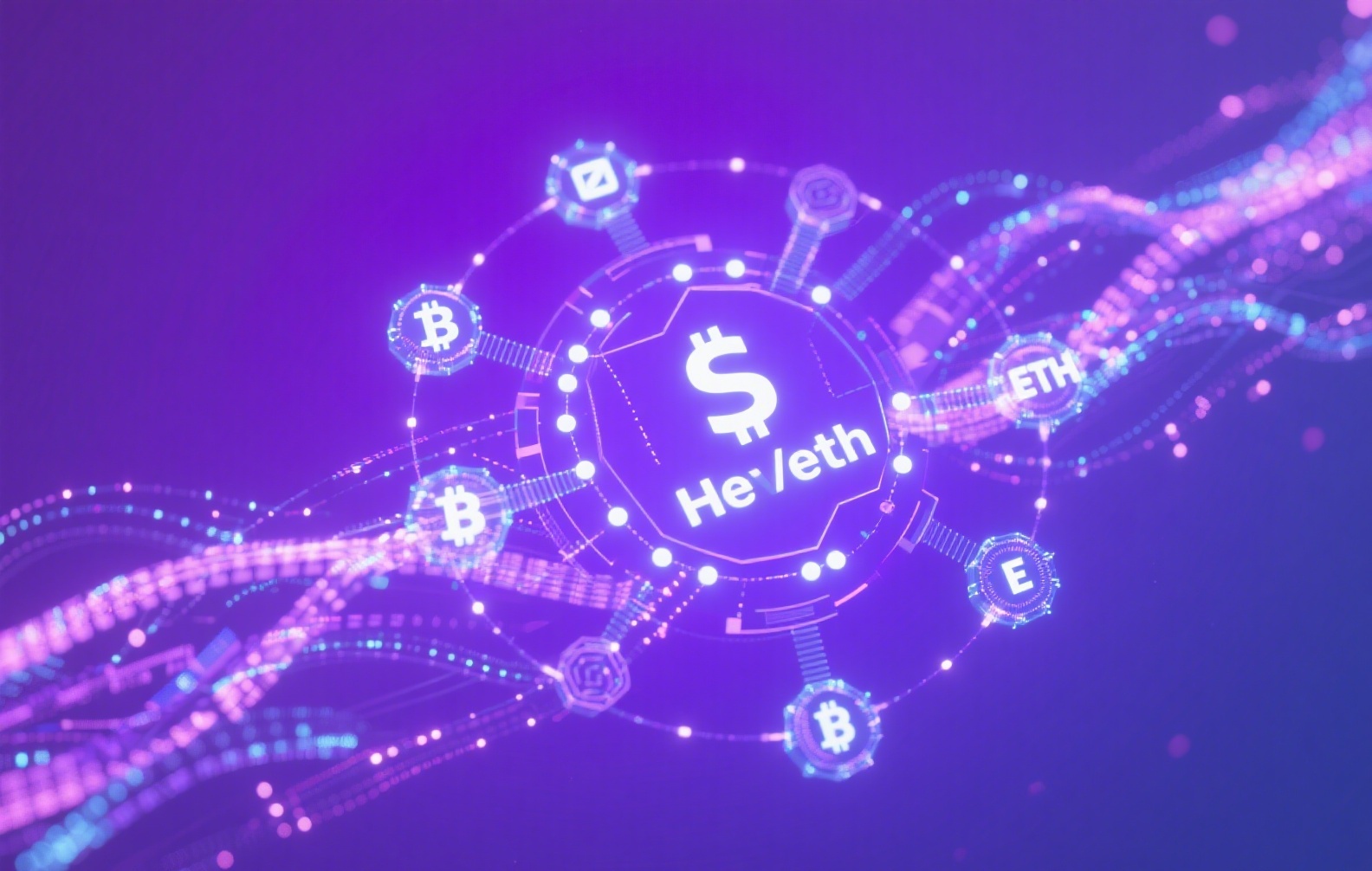
Many newcomers to cryptocurrency are surprised by the question: Why does USDC, a stablecoin pegged to the U.S. dollar, still need to be "mined"? This confusion stems from a common misunderstanding of terms. Unlike Bitcoin, which is created through the energy-intensive proof-of-work mining process, USDC itself is not "mined" into existence. USDC is issued by regulated financial institutions when an equivalent amount of U.S. dollars is deposited. However, the critical point is that its transactions on blockchain networks often still require network validation—a process colloquially and sometimes incorrectly referred to as "mining" in a broader sense.
The core reason lies in the underlying infrastructure. USDC primarily exists on blockchain platforms like Ethereum and Solana. While USDC tokens are minted by the issuer, every transfer, swap, or smart contract interaction with USDC must be recorded on its native blockchain. On networks like Ethereum, which currently uses a proof-of-stake consensus mechanism, this involves validators (not miners) who stake their own cryptocurrency to propose and attest to blocks of transactions. This process secures the network, prevents double-spending, and finalizes all transactions, including those involving USDC. The network's native token (ETH) is used to pay transaction fees, often called "gas," for this computational work.
Therefore, the need for validation—or so-called "mining" in the context of proof-of-work chains—persists not for creating USDC but for processing and securing its movements in a decentralized manner. This validation is fundamental to the value proposition of stablecoins. It ensures that USDC transactions are trustless, transparent, and immutable without relying on a central intermediary to approve each payment. The blockchain's consensus mechanism guarantees that once a USDC transfer is confirmed, it cannot be reversed or altered, providing cryptographic certainty.
In essence, USDC leverages the existing security and decentralization of its host blockchain. The validation process, whether through mining (on older chains) or staking (on modern ones), is the cost of achieving this resilient and transparent financial infrastructure. It ensures that while the value of USDC is stable like the dollar, its technological backbone is as robust and verifiable as the most secure cryptocurrencies. So, while you don't mine USDC to create it, the network that powers it absolutely requires distributed consensus to function, making "mining" or validation an indispensable, albeit indirect, part of the USDC ecosystem.


发表评论